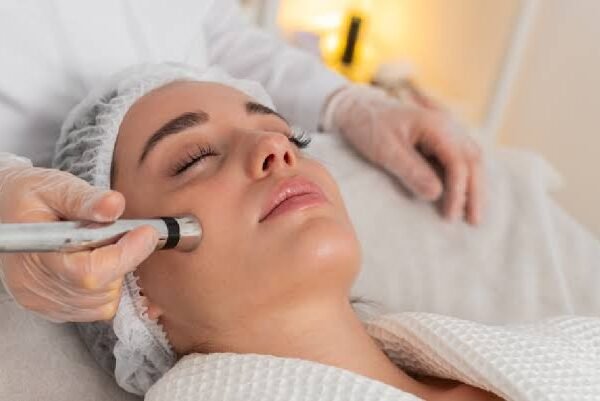
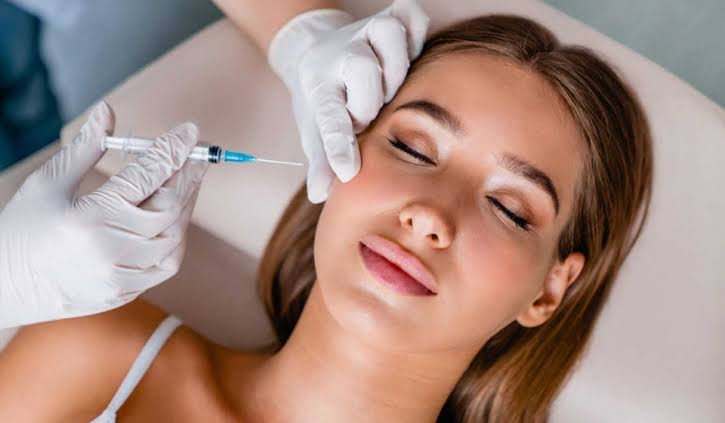
The aesthetic medicine industry continues to evolve at an accelerated pace, and injectable treatments remain at the core of this transformation. For practitioners, staying informed is no longer optional, it is essential for maintaining relevance, safety, and competitive advantage. 2026 injection trends reflect a deeper understanding of facial anatomy, tissue health, and patient psychology, alongside rapid innovation in biotechnology and treatment protocols.
This article explores the key injection trends shaping 2026, what they mean for practitioners, and how clinics can adapt to meet the future of aesthetic medicine.
Key Injection Trends Shaping 2026
1. The Rise of Regenerative Injectables
One of the most defining trends of 2026 is the continued shift away from purely corrective injectables toward regenerative treatments. Patients are no longer satisfied with temporary fixes; they want solutions that improve skin quality, cellular health, and tissue function over time.
Injectables such as polynucleotides (PN), sodium DNA, peptides, and biostimulators are gaining significant traction. These treatments work by stimulating fibroblast activity, improving cell metabolism, and encouraging collagen and elastin production rather than simply filling or freezing tissue.
For practitioners, this trend means:
- Longer-term treatment planning.
- Emphasis on skin health, not just volume.
- Educating patients on progressive results rather than instant transformation.
Regenerative injectables are increasingly used around delicate areas such as the under-eye, neck, décolletage, and hands, areas where traditional fillers may be unsuitable.
2. Natural Results Over Dramatic Results
The era of exaggerated lips, frozen foreheads, and overfilled faces continues to fade. In 2026, subtle enhancement is the gold standard. Patients want to look refreshed, well-rested, and youthful, not “done.”
This trend is driven by:
- Increased public education through social media.
- Fear of aesthetic overcorrection.
- A cultural shift toward authenticity and individuality.
For injectors, this requires:
- Conservative dosing.
- Advanced anatomical knowledge.
- A refined aesthetic eye.
- Strong consultation and expectation management.
Botulinum toxin treatments are increasingly administered using micro-dosing and strategic placement to preserve expression while softening dynamic wrinkles. Similarly, fillers are being used sparingly, often combined with skin boosters and regenerative injectables for a holistic result.
3. Preventative Aesthetics Takes Center Stage
Preventative treatments are no longer niche, they are mainstream. Younger patients, particularly those in their mid-20s to early 30s, are seeking injectable treatments to slow the visible signs of aging before they become pronounced.
In 2026, practitioners are seeing an increase in:
- Preventative botulinum toxin
- Early skin booster protocols
- Light collagen stimulators
- Maintenance-based treatment plans
This shift changes how practitioners approach patient care. Rather than reactive correction, clinics are developing long-term aesthetic strategies, focusing on preservation, skin resilience, and gradual enhancement. Education is key here. Practitioners must clearly explain:
- The difference between preventative and corrective treatments
- Realistic outcomes
- Ethical dosing for younger patients
4. Combination Treatments Become the Standard
Single-treatment approaches are becoming less effective in meeting patient goals. In 2026, combination injectable protocols are the norm rather than the exception.
Popular combinations include:
- Botulinum toxin + skin boosters
- Dermal fillers + polynucleotides
- Biostimulators + peptides
- Injectables + energy-based devices
This layered approach allows practitioners to address:
- Muscle activity
- Volume loss
- Skin texture
- Hydration
- Collagen decline
For clinics, combination treatments increase:
- Treatment effectiveness.
- Patient satisfaction.
- Retention and lifetime value.
However, they also demand advanced training, precise timing, and a deep understanding of product interactions.
5. Under-Eye and Periocular Treatments Continue to Grow
The eye area remains one of the most requested and challenging zones in aesthetic medicine. In 2026, demand for under-eye rejuvenation is growing rapidly, driven by screen fatigue, stress, poor sleep, and lifestyle factors.
Rather than relying solely on fillers, practitioners are increasingly using:
- PN and DNA-based injectables
- Peptide-rich eye boosters
- Non-cross-linked hyaluronic acid
- Low-risk regenerative protocols
Patients want:
- Reduced dark circles
- Improved skin thickness
- Better hydration
- Smoother texture without heaviness
This trend reinforces the move toward tissue quality improvement rather than volume replacement, especially in high-risk areas.
6. Male Aesthetics Continues to Expand
Male patients are becoming a significant segment of the injectable market. In 2026, more men are seeking treatments that enhance their appearance while maintaining a strong, natural, and masculine look.
Common male-focused injectable treatments include:
- Jawline contouring
- Frown line softening
- Forehead wrinkle reduction
- Skin quality improvement
Practitioners must adjust:
- Injection techniques
- Dosing strategies
- Consultation language
Male aesthetics requires an understanding of gender-specific anatomy and aesthetic goals. Clinics that tailor their services to this demographic are seeing strong growth and loyalty.
7. Advanced Injection Techniques and Precision Tools
Precision is everything in 2026. Advances in injection techniques and tools are reshaping how practitioners deliver treatments.
Key developments include:
- Ultrasound-guided injections
- Cannula-first approaches in high-risk zones
- Micro-droplet and mesotherapy techniques
- Improved syringe and needle technology
These advancements improve:
- Safety
- Accuracy
- Product placement
- Patient confidence
For practitioners, ongoing education and skill refinement are essential. Patients are more informed than ever and expect their providers to use the safest, most modern techniques available.
8. Safety, Regulation, and Ethical Practice
As injectable treatments grow in popularity, regulatory scrutiny continues to increase. In 2026, safety, compliance, and ethical practice are central to professional credibility. Key priorities include:
- Proper patient assessment.
- Detailed medical history review.
- Informed consent.
- Use of certified, medical-grade products.
- Adherence to local regulations.
Patients are becoming more cautious and selective. Clinics that prioritize safety, transparency, and education are earning greater trust and long-term success.
9. Personalization Through Data and AI
Personalized aesthetics is another major trend shaping 2026. With the integration of AI-driven analysis tools, practitioners can now assess facial symmetry, aging patterns, and muscle movement with greater accuracy.
This allows for:
- Customized injection plans.
- More predictable outcomes.
- Improved patient communication.
While technology does not replace clinical judgment, it enhances decision-making and elevates the patient experience.
10. The Business Impact for Practitioners
From a business perspective, injectable trends in 2026 emphasize value over volume. Clinics are moving away from high-turnover models toward relationship-based care. Successful practices focus on:
- Education-driven consultations.
- Long-term treatment plans.
- Ethical upselling through combination protocols.
- High-quality outcomes rather than aggressive marketing.
This approach leads to stronger patient loyalty, referrals, and sustainable growth.
11. Patient Education Is Becoming a Core Part of Injectable Practice
One of the biggest but often overlooked 2026 injection trends is the growing importance of patient education. Today’s aesthetic patients are more informed, more cautious, and more curious than ever. Many arrive at consultations having watched videos, read blogs, or followed aesthetic professionals online.
This shift means practitioners are no longer just injectors, they are educators.
When patients understand the “why” behind a treatment plan, they are more likely to trust the practitioner, commit to long-term care, and follow post-treatment advice. Clear education also reduces dissatisfaction and unrealistic expectations, especially for non-surgical aesthetic treatments.
12. Skin Quality Is Now as Important as Facial Shape
Another major aesthetic injection trend in 2026 is the shift from focusing only on facial contours to prioritizing overall skin quality. Patients are increasingly concerned about dullness, dehydration, texture, and thinning skin, even if they do not have deep wrinkles.
Rather than asking, “How much filler do I need?”, patients are now asking, “How can my skin look healthier?”
For practitioners, this means:
- Spending more time assessing skin condition.
- Creating treatment plans that improve hydration, elasticity, and glow.
- Combining injectables with skincare and lifestyle guidance.
This holistic approach aligns perfectly with the future of aesthetic injections, where results should look natural both up close and in motion.
13. Longer-Term Treatment Planning Is Replacing One-Off Sessions
In 2026, injectables are no longer seen as single, isolated procedures. Clinics are moving toward long-term injectable strategies that evolve with the patient’s age, lifestyle, and skin condition.
Instead of quick fixes, practitioners are offering:
- Annual or biannual injectable plans
- Maintenance-based botulinum toxin schedules
- Progressive regenerative treatments
- Combination protocols spaced over time
This approach benefits both patients and clinics. Patients receive more consistent, natural-looking results, while clinics build stronger relationships and predictable treatment outcomes.
It also reinforces the idea that aesthetic medicine is a journey, not a one-time event.
14. Trust and Transparency Drive Clinic Growth
As competition increases in the injectables industry, trust has become one of the most valuable assets for aesthetic practitioners. Patients in 2026 are highly selective about who they allow to inject their faces.
Clinics that thrive focus on honest consultations, clear pricing, ethical recommendations, realistic outcomes, being transparent about what injectables can and cannot do builds credibility. This is especially important when discussing advanced injectable techniques or newer regenerative injectables that work gradually. Trust-based practices see higher patient retention, better word-of-mouth referrals, and long-term success.
Simplicity, Skill, and Strategy
The key message behind 2026 injection trends is simple: better outcomes come from better understanding. As injectables become more advanced, the role of the practitioner becomes more thoughtful, precise, and patient-focused.
By prioritizing education, skin health, safety, and long-term planning, aesthetic professionals can confidently meet modern patient expectations while delivering results that stand the test of time. The future of injectables is not complicated, it’s intentional.
Conclusion: Preparing for the Future of Injectables
The injection landscape in 2026 is defined by regeneration, subtlety, precision, and personalization. Practitioners who embrace these trends will not only deliver better results but also build stronger, more trusted practices.
The future of injectables is not about doing more, it’s about doing better. By staying informed, investing in training, and prioritizing patient-centered care, aesthetic professionals can confidently navigate the evolving world of injectable treatments and remain at the forefront of modern aesthetic medicine.